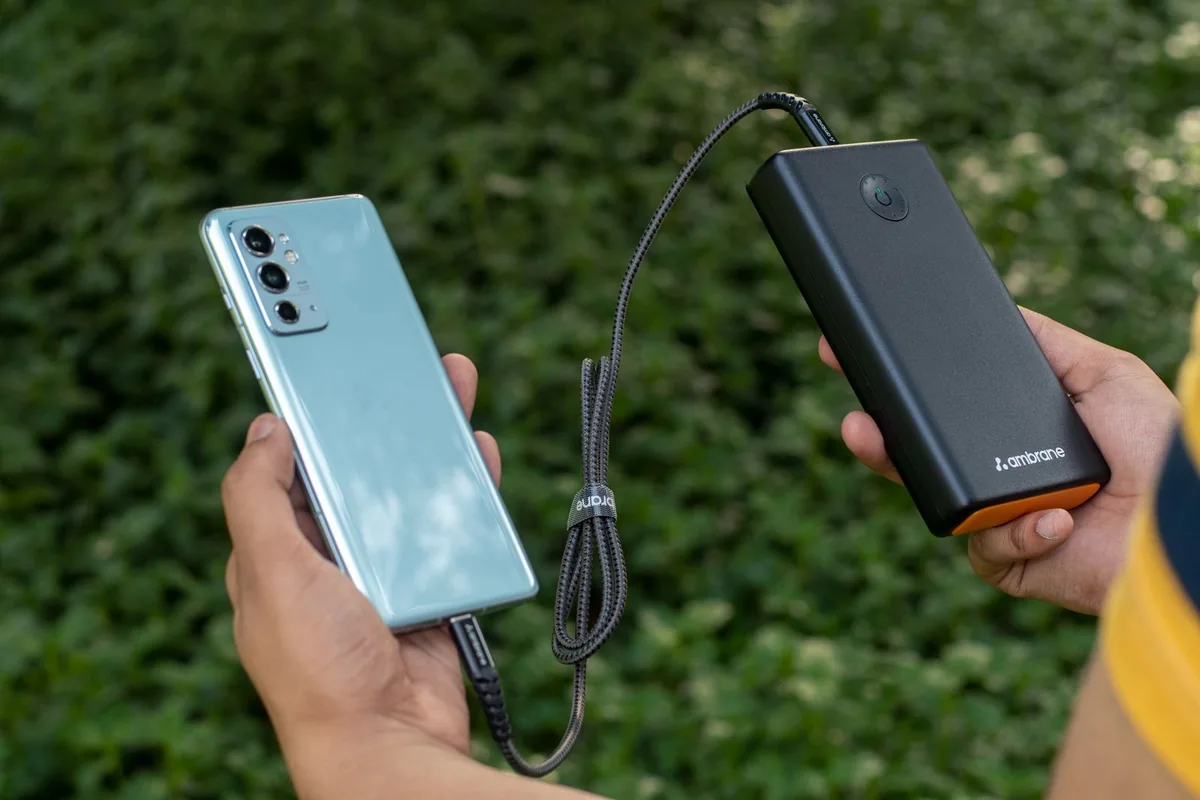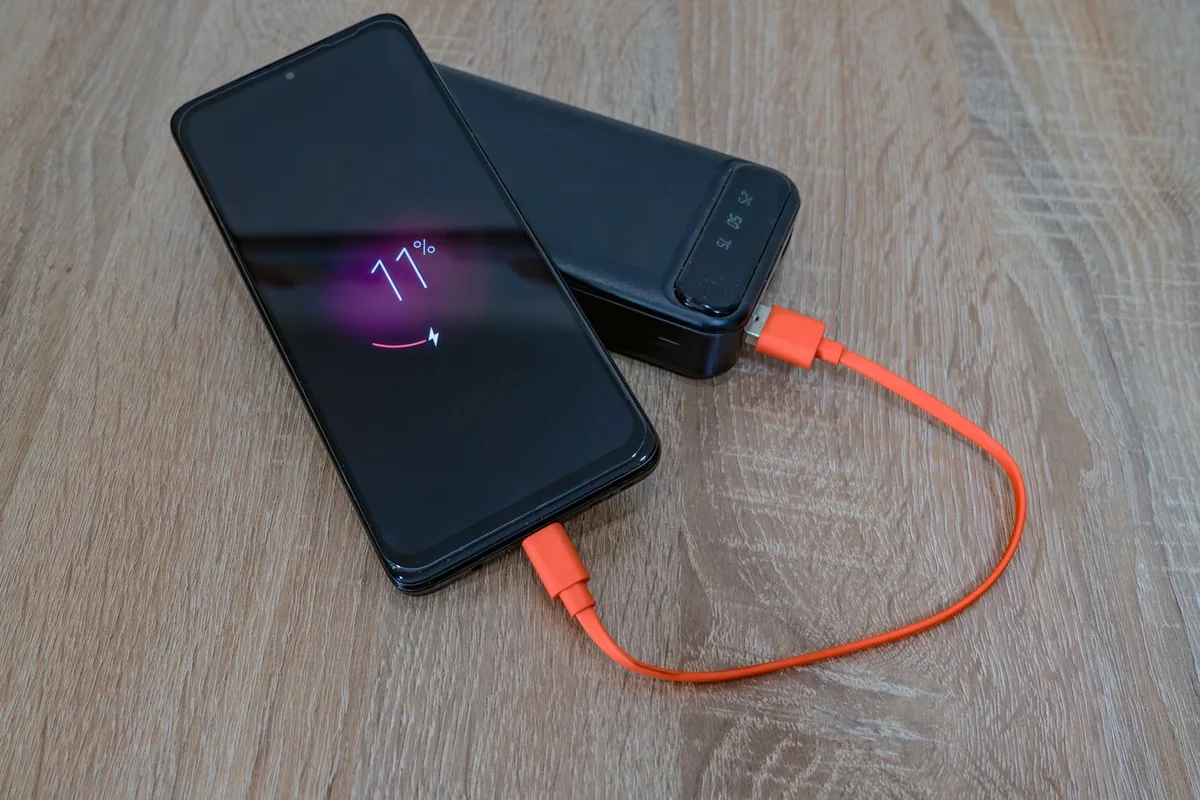
At the end of a long day, a power bank is useful only if it is with you. A heavy model left in a drawer cannot rescue the phone holding your train ticket. A tiny model may travel everywhere but disappoint when asked to charge a laptop. The best buying decision starts with the missing outlet in your routine, then works back to the hardware.
This guide compares use cases and published charging information. We have not measured the capacity or efficiency of the products discussed, and we do not promise a particular number of recharges. Real results depend on your phone, battery condition, charging method, and how you use the device while it is connected.
Define the job in one sentence
Try: “I need enough reserve to navigate home after work,” or “I want laptop backup during a delayed flight.” Those are different jobs. The commuter should prioritize dimensions and an easy cable arrangement. The laptop traveler needs compatible USB-C Power Delivery output and enough stored energy, alongside the willingness to carry a larger battery.
Also decide whether the bank needs to charge two devices together. A second port can help a traveling companion, but combined output may differ from single-port output. Read the allocation information rather than assuming that two advertised fast-charging ports operate at their maximum simultaneously.
Compare capacity with portability
| Main purpose | What matters most | What you may give up |
|---|---|---|
| Emergency phone reserve | Small dimensions and easy carry | Fewer charging opportunities |
| Full day of maps and photos | More reserve and a reliable cable | More bag space |
| Laptop backup | Compatible PD output and energy rating | Pocket portability |
| Shared family charging | Multiple outputs and clear power allocation | Simplicity and weight |
A milliamp-hour number is not a universal promise of usable phone charges. The voltage used for the rating, conversion losses, and the device’s own consumption affect the outcome. Watt-hours provide an energy measure that is especially useful when checking travel rules. Avoid listings that offer dramatic recharge claims without describing the device and conditions behind them.
Check both sides of the charging equation
Output describes how the bank charges your equipment. Input describes how quickly you can refill the bank itself. A large battery with slow input can be awkward when you reach the hotel late and leave early. Check whether the wall charger you already own can provide the input the bank supports.
USB-C is the shape of the connection, not a guarantee of power. USB-IF’s Power Delivery explanation is a useful starting point, but the bank, cable, and device specifications must all align. A laptop that normally uses a powerful adapter can behave differently with a smaller bank. Do not buy on the assumption that any USB-C laptop can draw the advertised headline output.
Integrated cables are convenient when you repeatedly forget a lead. Their tradeoff is that cable damage can reduce the usefulness of the entire bank. A replaceable cable adds another object but lets you change length or connector. Whichever route you choose, verify that the connector remains accessible with your phone case fitted.
Wireless convenience has a specific audience
A compatible magnetic wireless bank can be appealing for short top-ups when you want fewer loose cables. Check the phone’s supported charging system and the bank’s certification, plus case compatibility. Wireless charging may create additional heat and does not remove the need to recharge the bank. It is a convenience choice rather than an automatic upgrade over a cable.
If your main problem is leaving home without sufficient charge, a wired bank kept in the same pocket of your bag might solve it more simply. If you frequently handle your phone while it charges, consider the combined bulk in your hand. Compare the whole setup rather than the battery alone.
Travel and care deserve a minute before checkout
Review the current FAA guidance for lithium batteries and your airline’s rules before flying. Power banks are treated as spare batteries and belong in carry-on baggage, with capacity restrictions and other conditions. Choose one with clear labeling. Do not travel with a damaged or swollen battery.
Keep charging equipment out of prolonged direct heat. Apple’s battery-care guidance explains how temperature can affect its devices; consult the bank manufacturer’s instructions for its own limits. A battery sitting on a sunny dashboard is not sensible preparation for an evening emergency.
Make the purchase repeatable
Save the exact model, energy rating, output details, and seller on a short checklist. Compare at least two models that meet the job. An extra display, very high peak wattage, or another port is worth paying for only if it improves your routine. Official brand shopping link, not an affiliate link: browse Apple’s battery and charging accessories and compare compatibility before ordering.
Frequently asked questions
Is a larger power bank always better?
No. A smaller bank you consistently carry can provide more practical value. Reserve capacity is useful only when portability still works for you.
Can I rely on the advertised number of phone charges?
Treat it as conditional. Look for the named device and assumptions, and expect usage while charging to affect results.
Should the bank replace my wall charger?
Usually it is a backup. Keep a suitable wall charger in your travel charging kit so both bank and devices can recover overnight.
Sources
Primary sources checked October 7, 2026: USB-IF Power Delivery information, FAA PackSafe lithium battery guidance, and Apple battery-care documentation. Recheck your bank’s exact specifications and airline policy before relying on them.