A hotel room can make a perfectly good charging setup feel poorly planned. The usable socket is behind the nightstand, your phone is nearly empty, and your laptop needs power before an early train. Meanwhile, the pouch contains three wall plugs but the one cable you need is still at home. A travel kit should solve that evening, rather than win a contest for the most ports.
Our recommendation is to start with your devices and their published charging requirements, then assemble the smallest kit that covers a normal day and one believable disruption. This is planning advice based on standards and manufacturer documentation, not a hands-on charger comparison.
Start with an outlet-by-outlet plan
Write down the devices you will actually take: phone, laptop or tablet, headphones, and perhaps a watch. Next to each, note the connector, usual charger, and whether it must charge overnight. A watch’s proprietary charging puck can remain essential even when everything else uses USB-C. Include it before buying an impressive all-in-one brick.
Consider how those devices share the evening. If the laptop can charge while you shower and the phone can charge overnight, you might not need maximum power on every port at once. If two people share the kit, simultaneous charging becomes a more useful requirement. A charger with more sockets is convenient only if its power allocation works for that arrangement.
Choose the kit for your trip
| Travel situation | Useful starting kit | Tradeoff to accept |
|---|---|---|
| Weekend with a phone | Compact wall charger, two suitable cables | No laptop coverage |
| Work trip with laptop | USB-C PD charger matched to laptop, phone cable, spare cable | Larger wall plug |
| Long transit day | Wall kit plus a labeled power bank | Extra carry-on weight |
| Shared hotel room | Multiport charger and a longer cable | Shared output may reduce charging speed |
Do not equate a USB-C socket with a guaranteed charging capability. USB-IF’s Power Delivery overview explains the standard; the device and charger’s own specifications establish what your particular combination supports. A total-wattage headline can also obscure how much one port supplies when another is occupied. Look for the manufacturer’s allocation table.
Two cables are often better than four plugs
Bring a dependable primary cable and a backup that serves your most important device. A longer cable helps when outlets are awkward; a short one keeps a power bank manageable in a jacket or bag. Inspect both before departure for damaged insulation or loose connectors. A working backup is more valuable than an unopened cable bought at the airport.
Cable power capability and data capability are separate purchasing questions. A cable that charges a laptop might not provide the data transfer or display connection you expect. USB-IF’s cable guidance describes certification and power labeling. Buy for the task, and keep the packaging or product specification until you have confirmed the cable works with your equipment.
A plug adapter changes the physical connection; it does not automatically convert voltage. Check the input label on each charger and the destination’s socket requirements. Avoid buying a bulky universal adapter purely because it has many integrated USB ports when your existing charger already covers the electronics. The right separate adapter can be simpler to pack.
Add a power bank only for a real gap
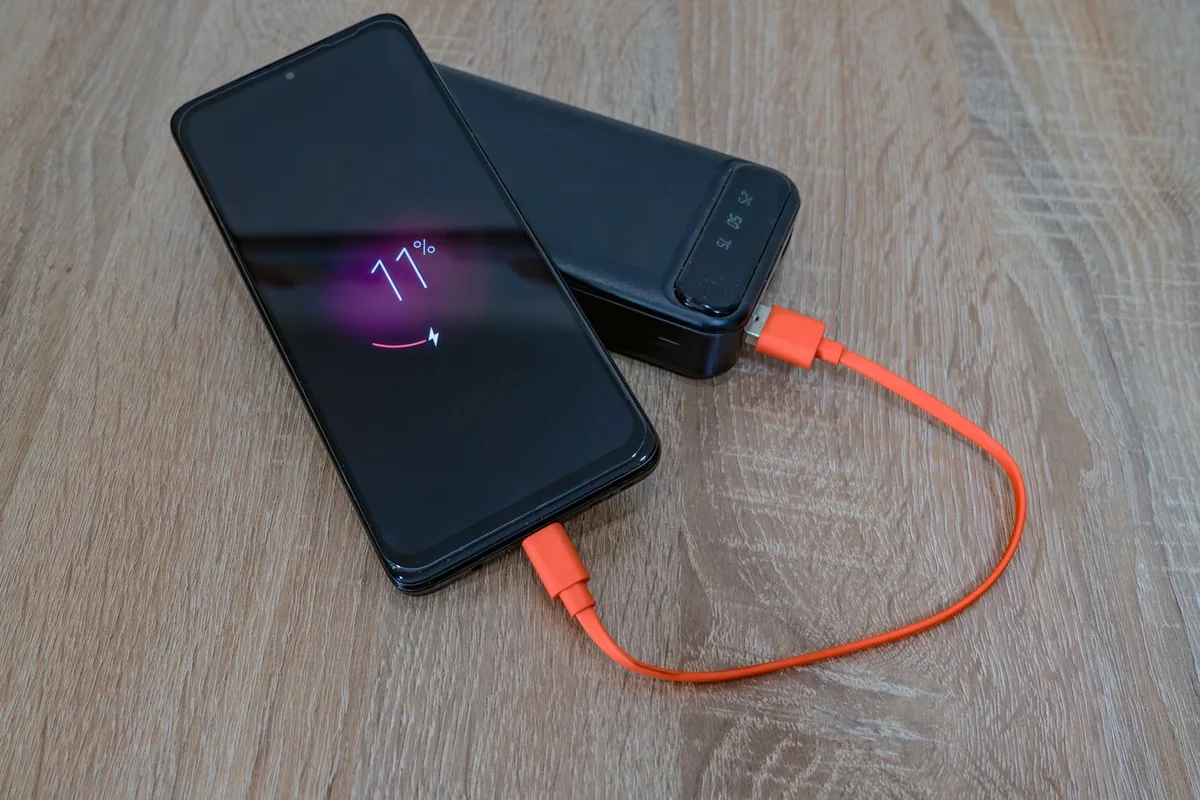
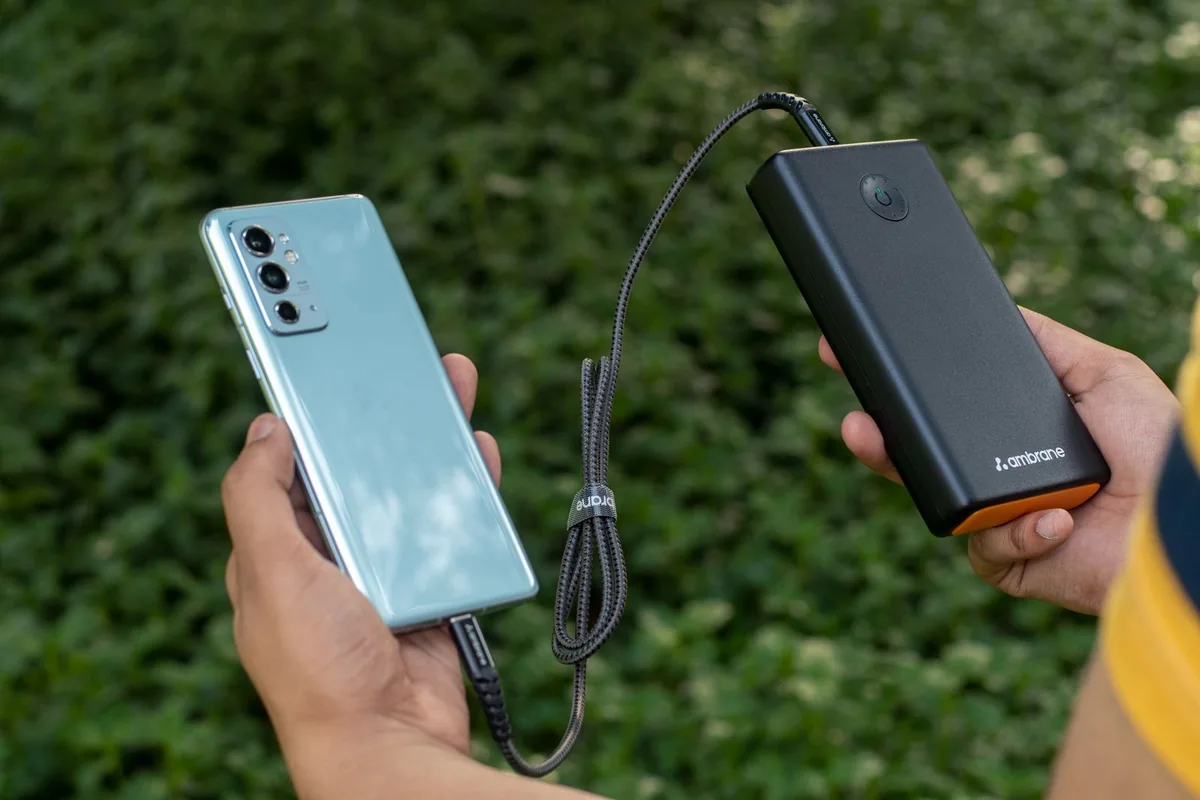
A power bank makes sense when the trip includes navigation, boarding passes, photography, and little access to outlets. It makes less sense when you move between a car, office, and hotel with reliable charging. Choose a capacity you are willing to carry all day, not the largest one your bag can technically hold.
For air travel, review FAA lithium battery guidance and your airline’s current rules. Spare lithium batteries and power banks require carry-on handling; additional restrictions can apply. Keep the capacity label readable and protect the device from accidental activation or damage. Do this before packing, rather than discovering a problem at security.
What deserves your budget
Pay for clear power specifications, suitable cables, sensible dimensions, and a credible seller. Skip decorative displays or wireless features if they do not solve a problem on this particular trip. Keep one small pouch with only these essentials, and replenish it when you return. A permanently packed kit prevents last-minute borrowing from the bedside table.
When shopping, open the manufacturer’s compatibility and power information first. Official brand shopping link, not an affiliate link: browse Apple’s charging accessories. This is an example source for compatible accessories, not a claim that one brand is necessary for every device.
Frequently asked questions
Can one charger handle my laptop and phone?
Possibly. Confirm the laptop’s requirements and the charger’s output with both ports in use. Connector fit alone is insufficient.
Should I bring wireless charging?
Only if its convenience outweighs the extra accessory and you have verified compatibility. A cable remains a useful backup.
What should I check the night before leaving?
Charge every device, test both cables, pack proprietary accessories, and check airline battery rules. For more detail on the bank itself, read our power-bank buying guide.
Sources
Primary references checked October 7, 2026: USB-IF cable certification and USB Power Delivery guidance; FAA PackSafe lithium battery guidance; Apple’s official charging-accessory catalog linked above. Availability and airline rules should be checked again before purchase or travel.